
Las Vegas water is brutally hard — loaded with calcium, magnesium, and silica that bond to your clear coat the second water evaporates on a hot panel. The good news: most water spots are removable if you catch them early. Here's the complete severity-by-severity removal guide, plus how to stop them from coming back.
If you've washed your car in Las Vegas and noticed cloudy white rings, hazy patches, or chalky residue afterward, you've already met the problem. Tap water in the valley registers among the hardest in the country — and combined with summer surface temps that flash-evaporate water in minutes, it's a perfect storm for paint damage.
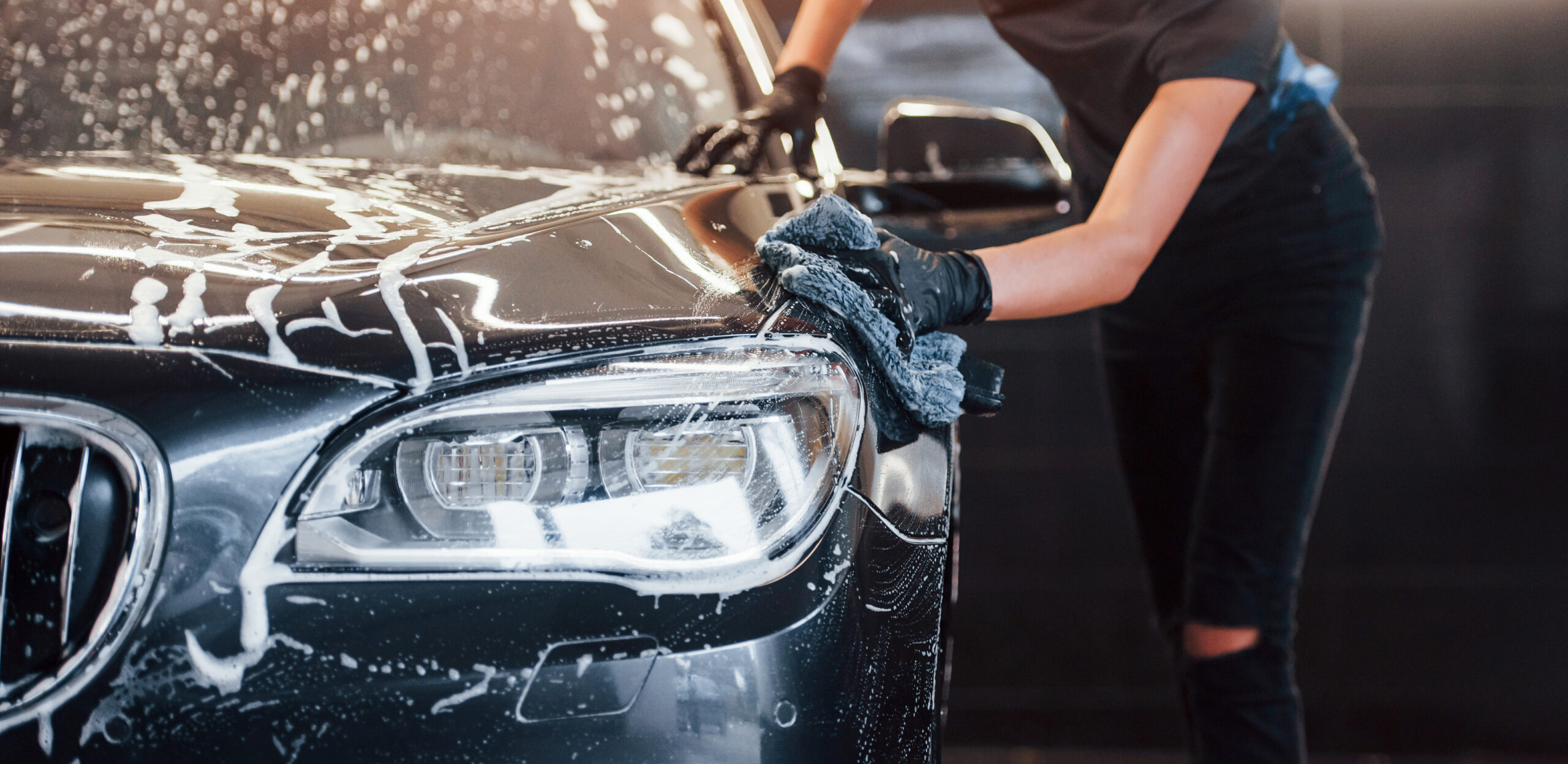
This guide walks through every level of water spot severity, the right method for each one, and the prevention steps that mean you'll rarely have to deal with them again. We've removed water spots from hundreds of Las Vegas vehicles — these are the methods that actually work.
Why Las Vegas Is the Worst City for Water Spots
Las Vegas's tap water carries roughly 250–300 parts per million of dissolved minerals — about three times the national median. That mineral content is what causes the spotting. When the water itself evaporates, every dissolved particle stays behind on your paint. In summer, evaporation happens in seconds.
The biggest sources of water spotting in Las Vegas aren't even car washes — they're sprinkler overspray, rain, and washing in the sun. Sprinklers in particular are devastating: they hit your car repeatedly across hours, depositing fresh minerals every cycle. If your car parks anywhere near landscaping, you've already got water spots forming whether you've noticed them yet or not.
Identifying Your Water Spot Severity
Before you grab a product, identify how severe the damage actually is. The wrong method on the wrong severity either wastes time (too gentle) or damages your paint (too aggressive). Here's the three-tier breakdown most professional detailers use:
Fresh Mineral Deposits
Visible white or cloudy rings sitting on top of the paint. Wipe with a damp microfiber and they smear or partially come off. Caught within hours, no etching has occurred. Easy DIY removal.
Mineral Bonding
Spots don't wipe off with water. Visible under direct light from any angle. Days or weeks old. Bonded but not yet etched into the clear coat. Removable with proper chemicals — DIY or professional.
Clear Coat Etching
Visible permanent rings, often craters you can feel with a fingernail. Chemical removers don't help. The minerals have eaten into the clear coat itself — requires polishing or professional paint correction.
The Five Methods — From Gentlest to Most Aggressive
Always start with the gentlest method that addresses your severity level. Going harder than necessary removes clear coat unnecessarily and shortens the life of your paint. Here's the full progression:
Wash and Dry Immediately
If you see fresh spots within hours, the fix is fast. Wash the panel with quality car shampoo using the two-bucket method, then dry immediately with a plush microfiber towel. Catching it within hours means the minerals haven't bonded yet — they'll come right off with normal washing. This is why drying after every wash matters so much.
Vinegar & Distilled Water Solution
A 50/50 mix of distilled white vinegar and distilled water dissolves mild mineral deposits chemically. Spray, dwell 30–60 seconds, wipe with clean microfiber, and rinse thoroughly. The acid breaks the calcium bond. Test on a small hidden area first. Don't use this on matte paint, vinyl wraps, or paint protection film — the acid can damage non-clear-coat finishes. Don't use it on hot panels or in direct sun.
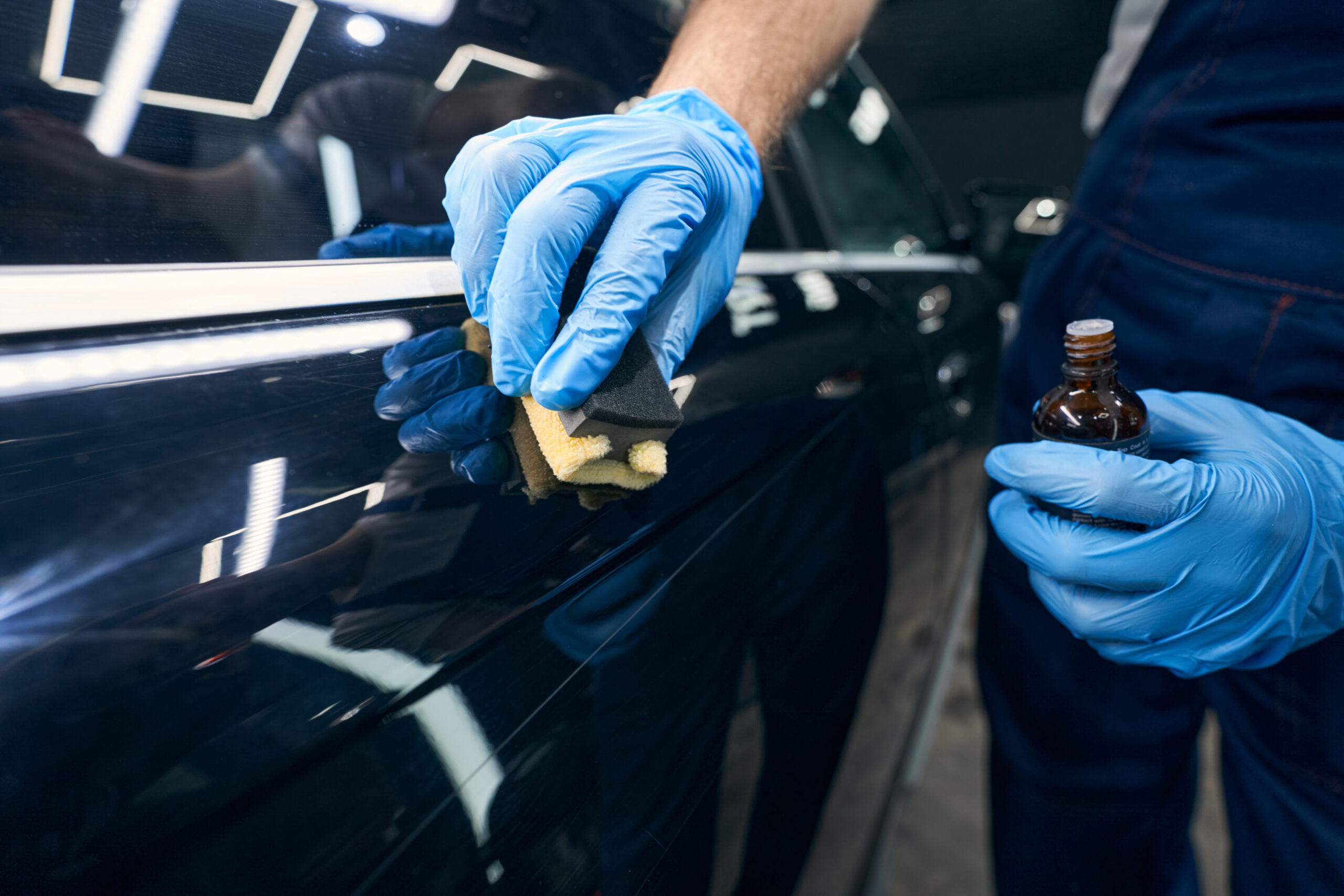
Dedicated Water Spot Remover
Purpose-built water spot removers are pH-balanced for paint and dissolve calcium and silica more aggressively than vinegar without harsh side effects. Brands like CarPro Spotless, Chemical Guys Water Spot Remover, and Adam's Spot Remover work well. Follow the label exactly — most require dwell time and a proper rinse, and using them in direct sun is a fast track to streaks. These are your best DIY option for bonded but not yet etched spots.
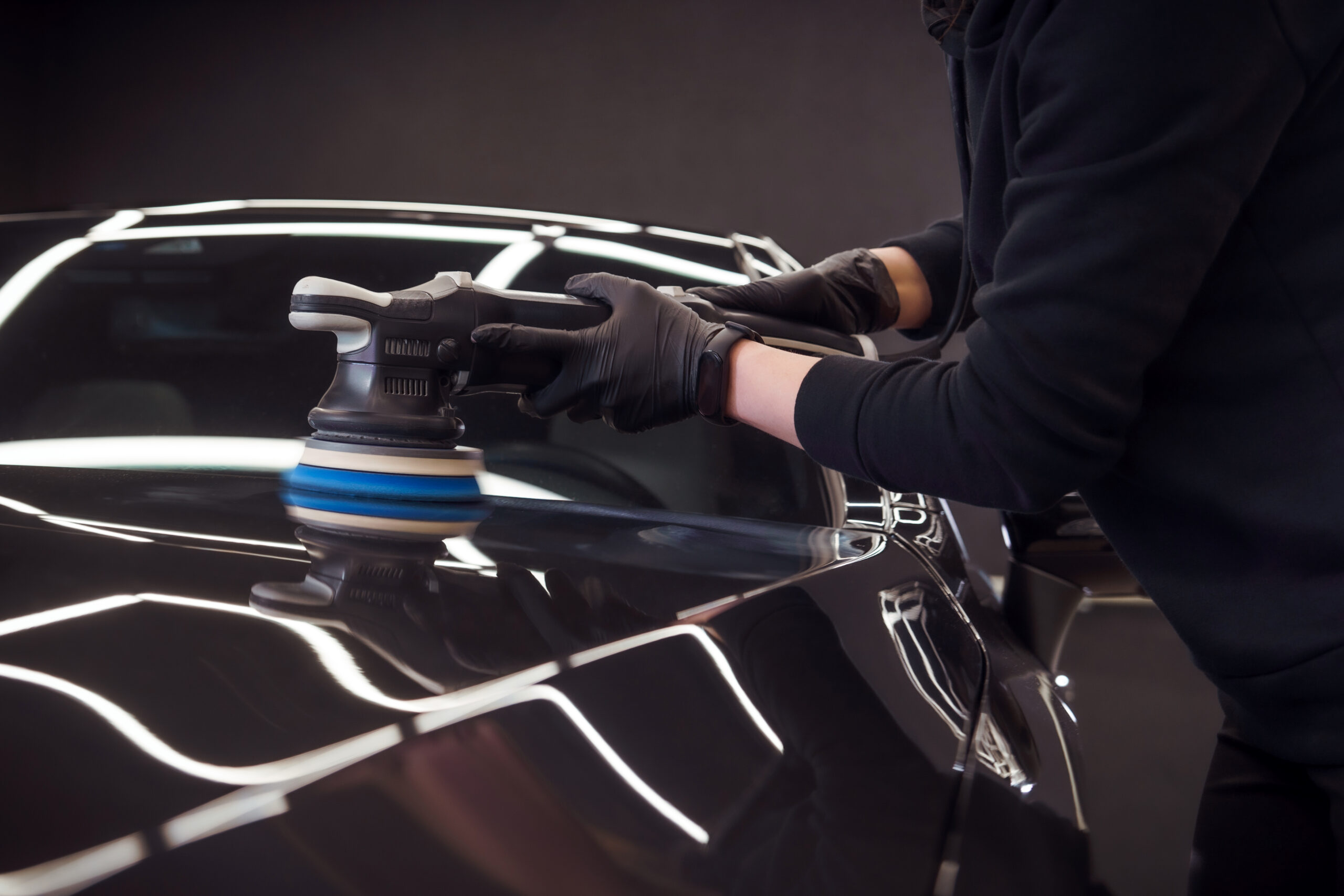
Light Polishing with Dual-Action Polisher
If the spot is still visible after chemical removal, the minerals have etched into the clear coat. A finishing polish on a soft pad with a dual-action polisher will remove the top microns of clear coat — and the etching with it. This is where most enthusiasts hit the safe DIY limit. Get this wrong (too much pressure, wrong pad, dry pad) and you can burn through the clear coat. Take it slow or hand it off.
Professional Paint Correction
Heavy etching — especially on horizontal panels baked in the sun for weeks — often requires multi-stage paint correction. A trained detailer using compound, polish, and proper paint thickness measurement can remove damage that an enthusiast can't safely touch. At this stage, professional correction is also more cost-effective than risking a respray. Top Star handles paint correction as part of our mobile detail packages, on-site at your home or office.
Water Spot Removal — Dos and Don'ts
Every week we see water spot DIY attempts that made the damage worse — usually because someone used the wrong product, the wrong tool, or attacked the paint in 110°F sun. Here are the rules that matter:
- Test any chemical on a small hidden area first
- Work in full shade — never in direct sun
- Use plush, clean microfiber towels (no terry cloth)
- Wash and dry the entire panel before treating spots
- Keep the surface cool — flush with water if needed
- Rinse thoroughly after any chemical treatment
- Apply protection (wax/sealant/ceramic) afterward
- Don't use household glass cleaner or all-purpose cleaner
- Don't scrub with anything abrasive — paint towels, sponges, brushes
- Don't leave any chemical to dry on the paint
- Don't apply vinegar to matte paint, wraps, or PPF
- Don't hand-rub etched spots — you'll only burnish them
- Don't use compound on a vehicle without paint correction experience
- Don't apply heat guns or hairdryers to paint
- The spots are visible in multiple lighting angles, not just direct sun
- You can feel the spots with a fingernail — they have raised or pitted texture
- Chemical removers haven't reduced the visibility at all
- The damage covers more than a few small panels
- Your vehicle has soft, premium paint (most German and Asian luxury vehicles)
- You don't own a dual-action polisher and the right pads
- The vehicle has ceramic coating already — DIY can damage the coating
How to Stop Water Spots from Coming Back
Removal is reactive — prevention is the actual win. The Las Vegas vehicles that never have water spot problems all follow some version of these six habits:
-
Dry After Every Wash — No Exceptions
This is rule number one. Never let water air-dry on Las Vegas paint, ever. Use plush microfiber drying towels or a dedicated car dryer. Flooding the surface with a leaf blower also works for getting water out of crevices. Drying after a wash takes 5 minutes and prevents 90% of water spot damage.
-
Wash in Shade — Never in Direct Sun
Sun-baked paint flash-evaporates water before you can finish washing the next panel. Always wash in a garage, carport, covered driveway, or early morning before the sun is up. If shade isn't available, work in small panels and dry as you go.
-
Use Deionized Water for the Final Rinse
Deionized (DI) water has the minerals filtered out — meaning if you don't dry the panel, the water still evaporates without leaving any residue. Top Star trucks all carry on-board DI water systems for exactly this reason. For DIY, an inline DI filter is roughly $150 and pays for itself fast.
-
Apply Ceramic Coating or Sealant
Hydrophobic protection causes water to sheet off the surface instead of beading and evaporating. Spots that do form sit on top of the coating, not on the paint — and come off with a basic wash. Ceramic coating in particular is the single best investment for preventing water spot damage in Las Vegas.
-
Move Away from Sprinkler Overspray
If your parking spot puts your car in the path of landscaping sprinklers, that overspray is hitting your paint multiple times a day. Move the car or talk to building management about adjusting the spray heads. This single change prevents more water spot problems than any product on the market.
-
Wash Within 24 Hours of Rain
Rain in Las Vegas is rare, but it carries surprising amounts of dust and sometimes mineral content from atmospheric pollution. Wash and dry your car within 24 hours after rain, especially if you didn't see fresh water sheet off — that means the minerals have already started to bond. Letting rain spots sit for a week in summer sun is how Stage 1 becomes Stage 3.
Water spots are one of those problems where the difference between a 30-second fix and a $400 paint correction is just a few days. If you see them, don't wait — every day in Las Vegas summer sun makes the removal harder.
— Top Star Detailing Team, Las VegasHow Top Star Removes Water Spots in Las Vegas
Water spot removal is one of the most common services we get called for in the Las Vegas Valley. Our process depends on what we find when we inspect the paint — and we'll never use a more aggressive method than what's actually needed.
Every job starts with paint inspection under our professional LED lighting setup. We check the spots from multiple angles, run a fingernail test for etching, and measure clear coat thickness on suspect panels. From there, we recommend the gentlest method that will actually solve the problem.
We work with our own deionized water supply — meaning the rinse phase doesn't add new minerals to your paint. This alone solves problems we see customers cause themselves with garden hose rinses.
For etched spots, we have full paint correction capability on-truck — compounds, polishes, dual-action and rotary polishers, and the experience to know exactly how much clear coat we can safely remove on each panel. With hundreds of five-star Google reviews and years of experience working specifically with Las Vegas's hard water and extreme sun, we've solved water spot problems that customers were told required a full repaint. Most of the time, it doesn't.
The best part: we come to you. Your car doesn't have to leave your driveway, and you don't have to lose half a day at a shop. Get a free water spot removal quote and we'll give you a transparent assessment of what level of work the damage actually needs.
More From the Top Star Blog
Frequently Asked Questions About Water Spots
Las Vegas has some of the hardest tap water in the country, loaded with calcium, magnesium, and silica. When that water sits on hot paint and evaporates, the minerals stay behind and bond to the clear coat. Sprinkler overspray, washing in direct sun, and skipping the drying step all multiply the problem.
A 50/50 distilled white vinegar and distilled water mix is safe on healthy clear coat in most cases — provided you rinse it thoroughly within a minute and avoid hot panels. Don't use vinegar on matte paint, vinyl wraps, paint protection film, or already-damaged clear coat. Always test on a small hidden area first.
Yes — when minerals etch into the clear coat under heat. At that stage, no spray, soap, or vinegar will remove them. The damage requires polishing or paint correction to physically remove a thin layer of clear coat. Caught early, water spots are almost always removable; left for weeks in summer sun, they become permanent.
Dry your car immediately after washing — never let water air-dry. Wash in shade, never in direct sun. Use deionized water for the final rinse if available. Apply ceramic coating or sealant so water sheets off instead of beading. Move the car away from sprinkler overspray zones.
Ceramic coating dramatically reduces water spot damage but doesn't make a vehicle 100% immune. The hydrophobic surface causes water to sheet off, leaving fewer droplets behind to evaporate and deposit minerals. Spots that do form sit on top of the coating instead of the paint — and come off with normal washing instead of requiring chemical removal.
For Stage 1–2 spots, water spot removal is typically included as part of a standard mobile detail (~$150–$300 depending on vehicle size). Stage 3 etched spots requiring paint correction range from $300–$800+ depending on severity, panel coverage, and whether full correction or spot correction is needed. Top Star provides a free assessment so you only pay for the level of work actually required.
A clay bar removes bonded surface contamination — like brake dust, rail dust, and overspray — but it won't remove water spot mineral deposits. Clay is mechanical removal of surface debris; water spots require chemical dissolving (vinegar, water spot remover) or physical removal of the etched clear coat layer (polishing). Save the clay bar for normal decontamination steps.
Ready to Remove Those Water Spots?
Free assessment. Honest pricing. Mobile service anywhere in the Las Vegas Valley.
Get My Free Quote