
Detailing your own car is rewarding — but only if you have the right tools. The wrong gear scratches paint, leaves streaks, and trains in bad habits. After years of detailing high-end vehicles in Las Vegas, here's the short list of what actually earns its place in our toolkit.
Walk into any auto parts store and you'll find shelves of detailing products promising professional results. Most of them aren't worth the cardboard their packaging is printed on. The tools that actually move the needle are a smaller group than the marketing suggests — and the ones we'd recommend to a friend are even shorter.
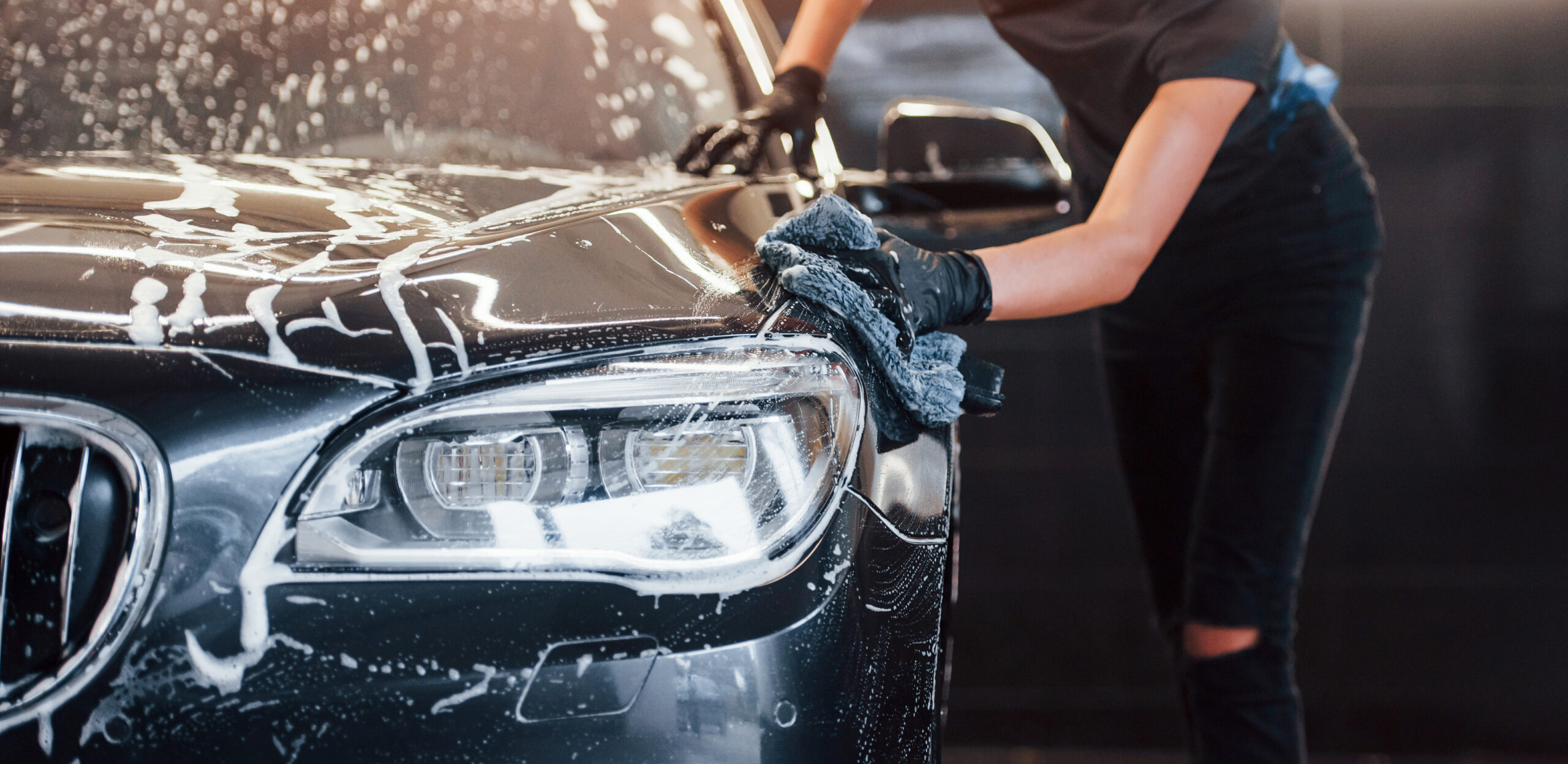
Whether you're a weekend warrior maintaining your daily driver or a hobbyist chasing a show-car finish, these are the ten tools every detailing enthusiast should own — and the reasoning behind each one.
No. 01 — Dual-Bucket Wash System
The single biggest source of swirl marks is a dirty wash mitt. Two buckets — one for clean soapy water, one for rinsing — paired with grit guards keeps abrasive contaminants off your paint. The cheapest upgrade you can make and the one that prevents the most damage.
It costs under $40 to set up and prevents thousands of dollars worth of paint correction down the road. There is genuinely no detailing tool with a better ROI.
No. 02 — Microfiber Wash Mitt
Skip the sponge. A high-pile microfiber or chenille mitt traps dirt away from the paint surface instead of grinding it back in. Wash it separately from your other towels, and never drop it on the ground — once contaminated, it's done.
Replace your mitt every 6–12 months. The fibers wear down with use and start dragging grit even with proper rinsing.
No. 03 — pH-Neutral Car Shampoo
Dish soap strips wax. Cheap shampoo dulls paint over time. A pH-neutral car wash soap cleans without removing the protective coatings you've worked to apply. Look for products that are wax-safe and ceramic-coating-safe.
Brand isn't as important as the pH-neutral, ceramic-safe label. Several quality options run $15–$30 for a year's supply.
No. 04 — Plush Microfiber Drying Towels
Air-drying leaves water spots, especially in the dry Las Vegas climate. A large plush twisted-loop microfiber drying towel pulls water off without dragging or scratching. Keep a separate set for wheels and dirty surfaces.
Color-code your towels: gold or yellow for paint, red for wheels and tires, blue for glass. It prevents cross-contamination and bad habits.
No. 05 — Clay Bar or Clay Mitt
After washing, run your hand across the paint. If it feels gritty, you have bonded contaminants — overspray, brake dust, industrial fallout — that washing alone can't remove. A clay bar lifts those particles before you polish or wax.
Modern clay mitts are easier to use than traditional bars and don't get ruined when dropped. For most enthusiasts, a clay mitt is the better choice in 2026.
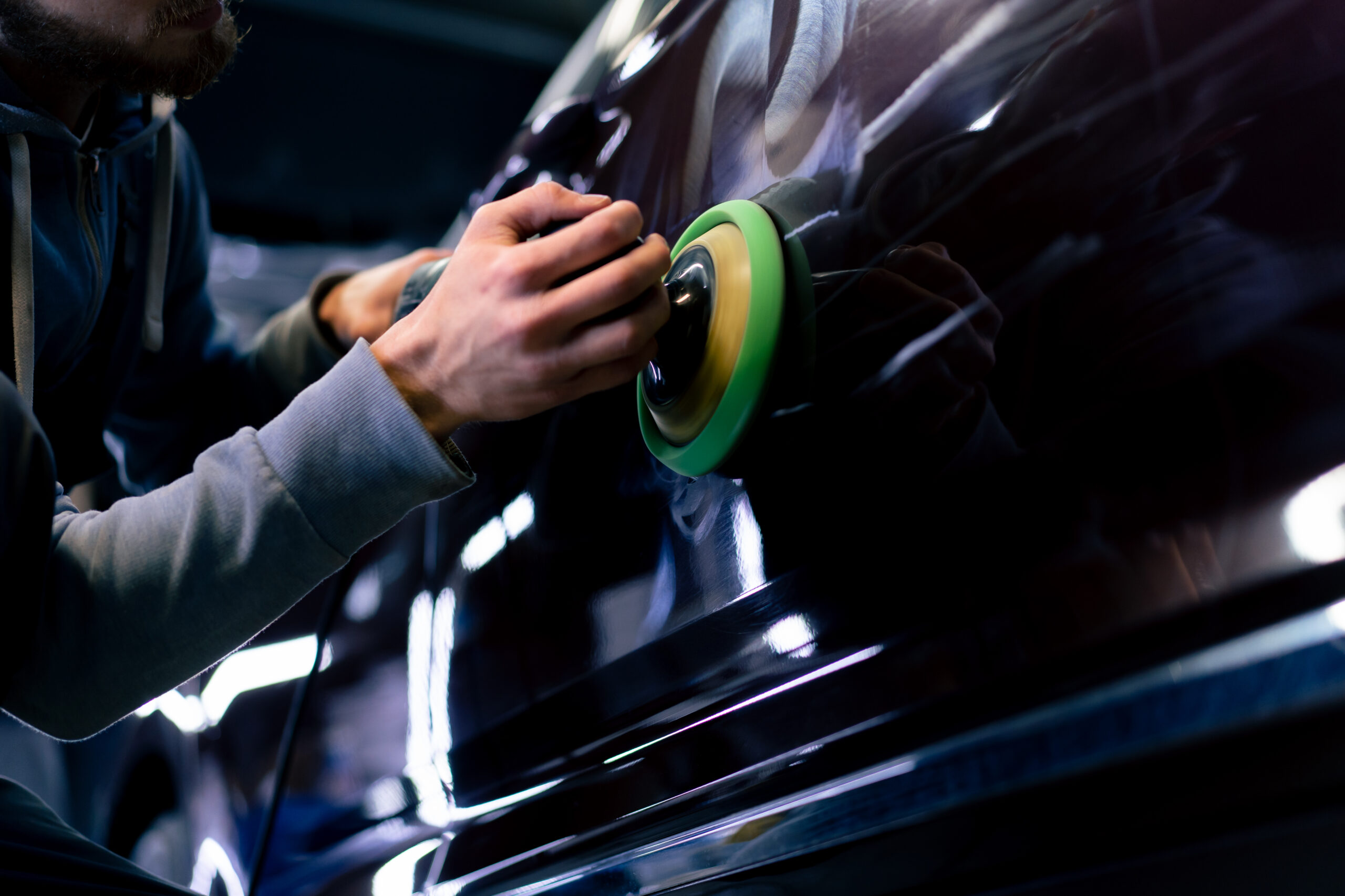
No. 06 — Dual-Action Polisher
A dual-action polisher is the safest entry into machine polishing. It oscillates instead of spinning at a fixed point, dramatically reducing the risk of burning paint. Pair it with quality pads and the right compound for paint correction beyond what you can do by hand.
Beginners should start with finishing polish only, on a test panel, before attempting any cutting work. Paint thickness is finite — you can polish through to the color coat if you're not careful.
No. 07 — Detailing Brushes
Emblems, vents, lug nuts, door jambs, badge edges — these are the spots that separate a "washed" car from a detailed one. A set of soft-bristle brushes in different sizes lets you clean tight areas without scratching trim or chrome.
Most quality brush sets cost under $25 and last for years. Don't skip this — it's where amateur work and professional work diverge most visibly.
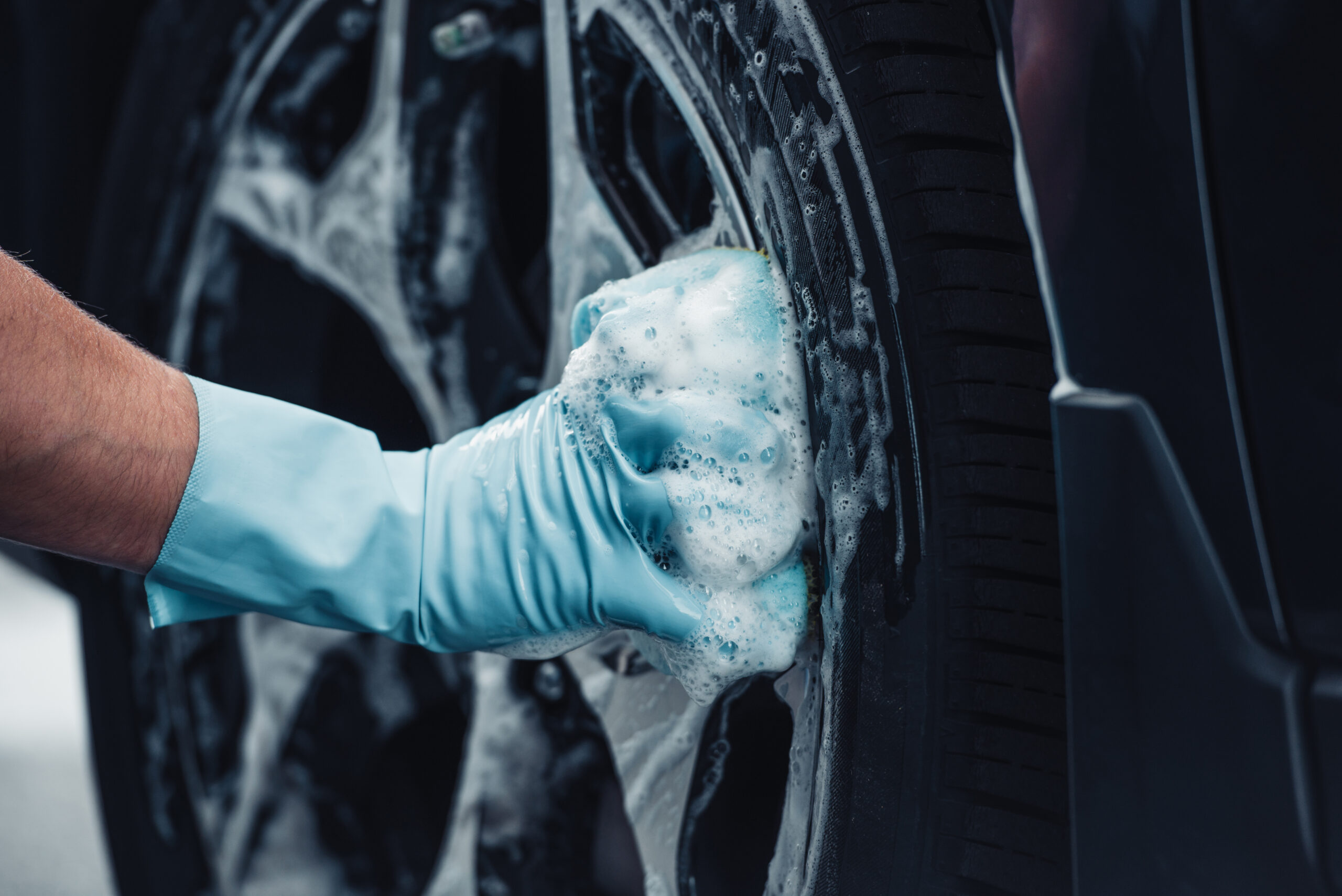
No. 08 — Quality Wheel Cleaner
Brake dust is acidic and bakes into wheel finishes. A pH-balanced, non-acidic wheel cleaner — used with a dedicated wheel brush — removes contamination without etching painted, polished, or coated wheels.
Avoid acid-based wheel cleaners unless you know your wheels can handle them. They're effective but unforgiving — one mistake on the wrong finish is permanent.
No. 09 — Interior Detailing Tools
A good interior kit includes a soft-bristle brush for vents, a stiffer brush for carpets and upholstery, microfiber towels for dashboards, and leather conditioner or fabric protectant. A quality vacuum with a crevice tool is the foundation.
For Las Vegas vehicles specifically, UV-protective dressing for dash and trim is non-negotiable — it prevents the cracking and fading that's nearly universal on neglected desert-climate interiors.
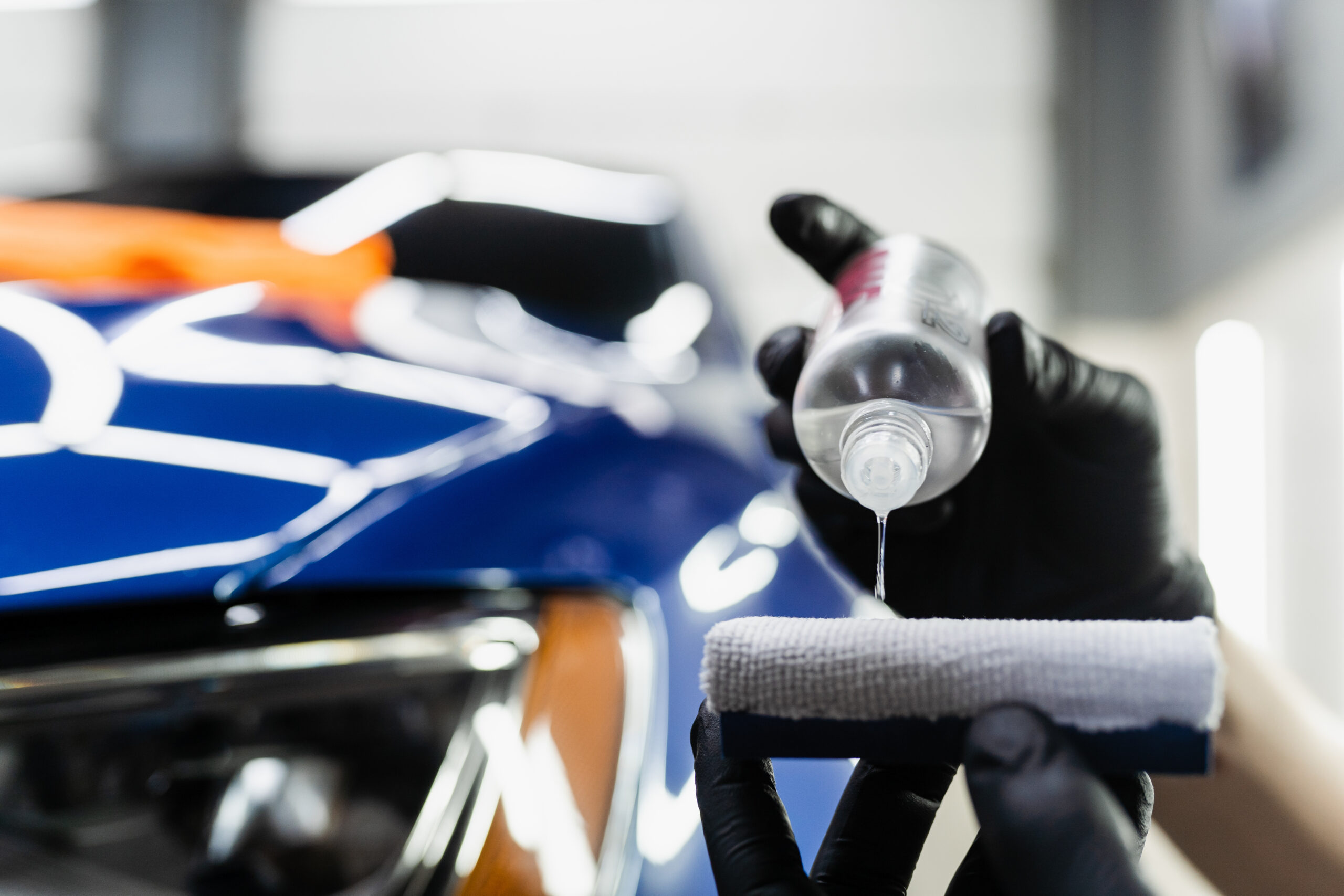
No. 10 — Long-Lasting Sealant or Ceramic Coating
Once paint is clean and corrected, you need to protect it. Waxes last weeks. Sealants last months. Ceramic coatings, properly applied, can last years and provide hydrophobic protection that makes future washes dramatically easier.
Consumer-grade ceramic spray coatings have improved dramatically and are now a realistic option for enthusiasts who want long-term protection without a professional application. Pro-grade coatings still outperform them on longevity, but the gap is narrower than it was even three years ago.
When to Call in the Pros
The right tools take you a long way, but there's a point where time investment, product cost, and skill curve stop making sense. Multi-stage paint correction, professional ceramic coating application, deep interior shampooing, and headlight restoration are jobs where the difference between DIY and a trained detailer shows up in the finish.
If you're in the Las Vegas area and want a professional finish without buying a garage full of equipment, our mobile crew comes to you with everything already loaded.
More From the Top Star Blog
Frequently Asked Questions
A two-bucket wash setup with grit guards. It's the cheapest upgrade and prevents the most damage by keeping abrasive dirt out of your wash mitt. Without it, every wash adds tiny scratches that compound over time.
Yes — the oscillating motion makes it dramatically safer than a rotary polisher. Beginners should still start with finishing polish on a test panel before attempting heavier compound work, and never polish in direct sun or on a hot panel.
Replace your wash mitt every 6–12 months and inspect drying towels for damage every few washes. Discoloration is fine; matted, hardened, or rough fibers are not — those scratch paint.
For enthusiasts who don't mind reapplying every 6–12 months, modern consumer ceramic sprays provide solid hydrophobic protection. Pro-grade coatings still last 2–5 years per application and offer harder, more durable protection — the choice depends on how often you want to maintain the protection.
Yes. Bristle stiffness, density, and length all matter. A wheel brush will scratch a leather seat. A leather brush will fall apart on tire sidewalls. Investing in 4–6 task-specific brushes pays off quickly in better results and fewer mistakes.
Any pH-neutral, ceramic-safe car shampoo. Avoid soaps with built-in wax or polymer coatings — they can interfere with the ceramic's hydrophobic properties over time. Look for products explicitly labeled 'ceramic safe' or 'pH neutral.'
Want a Pro-Level Finish Without the Toolbox?
Skip the gear investment — book a Top Star detail and we bring everything.
Get My Free Quote