
Ceramic coating is the most marketed and most misunderstood paint protection product on the market. Every detail shop sells it. Every YouTube channel reviews it. Half of what gets said is overhyped, and the other half undersells what a properly applied coating actually does. This is the straight version.
What ceramic coating is, what it protects against, what it doesn't, what it costs, how long it lasts, and whether it makes sense for your car in 2026 — covered in plain language, with no marketing fluff.
We've applied ceramic coating to hundreds of vehicles in Las Vegas — sedans, SUVs, exotic cars, daily drivers. The recommendations below come from real-world results across all of them, not manufacturer marketing.
No. 01 — What Ceramic Coating Actually Is
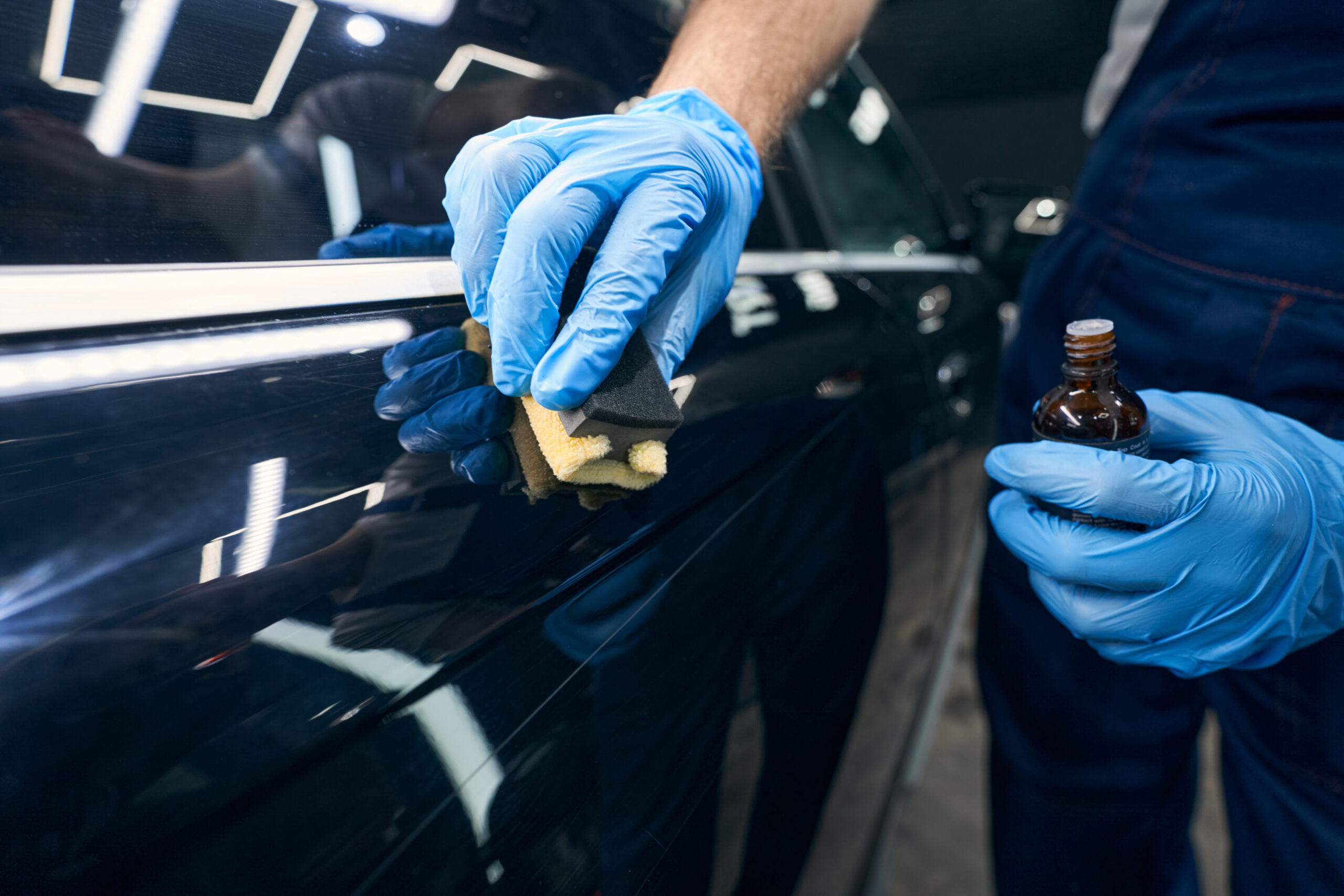
Ceramic coating is a liquid polymer — typically silicon dioxide (SiO₂) or silicon carbide (SiC) — that chemically bonds with your vehicle's clear coat to form a hard, transparent protective layer. Unlike wax or sealant, which sit on top of the paint, ceramic coating becomes part of the paint surface at a molecular level.
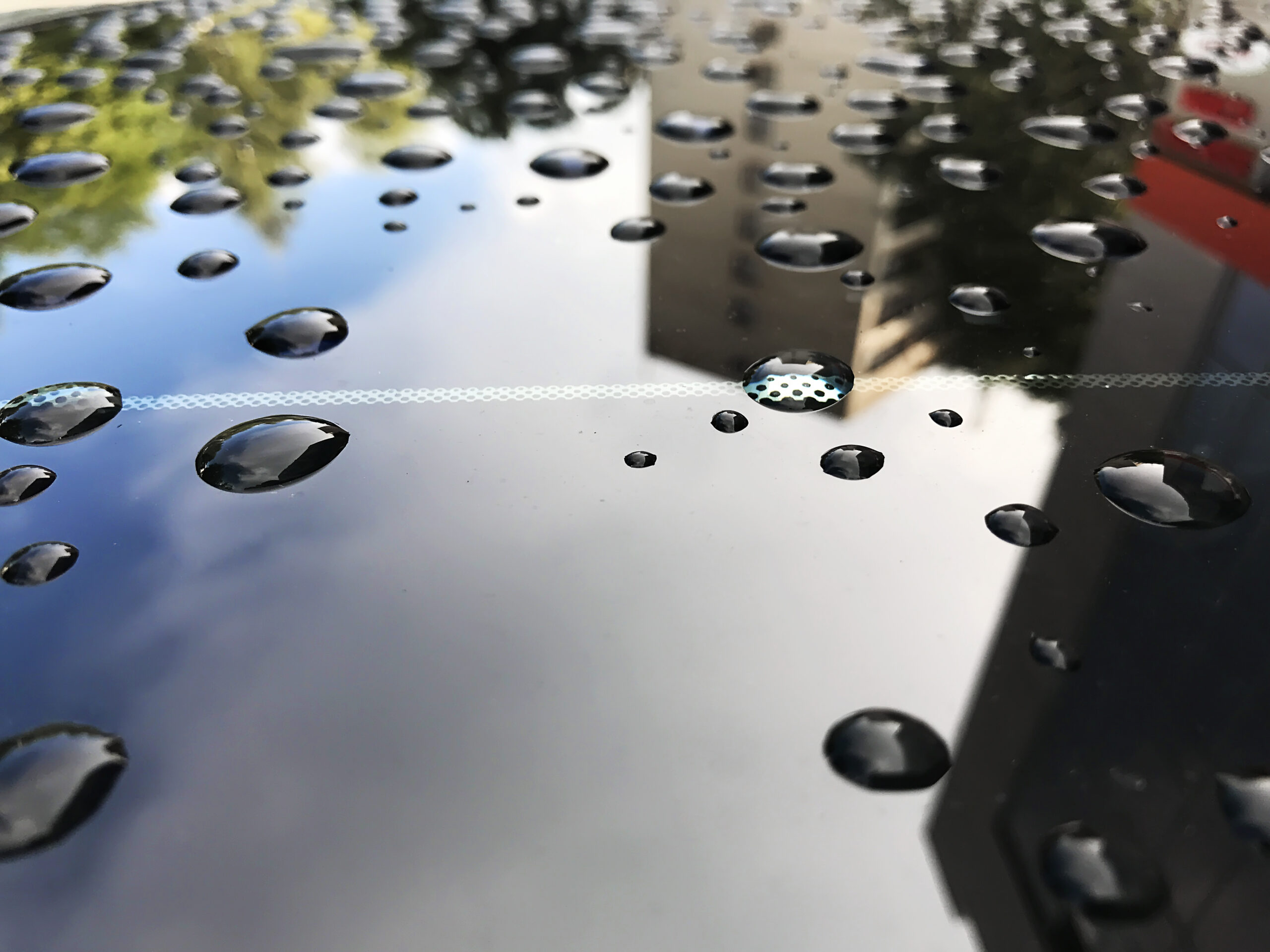
The result is a hydrophobic, UV-resistant, chemical-resistant layer that lasts years instead of weeks. The "ceramic" name comes from the silica chemistry — when cured, the coating reaches a hardness of up to 9H on the pencil hardness scale.
No. 02 — What It Actually Protects Against
Ceramic coating provides serious protection against UV damage and oxidation, chemical etching from bird droppings and bug splatter, mild scratches and swirl marks from improper washing, water spotting (much easier to remove from a coated car), and brake dust on wheels.
It also makes future cleaning dramatically easier because contaminants don't bond as aggressively to the surface. Wash time drops, drying is easier, and quick detailers go further.
No. 03 — What It Does NOT Protect Against
This is where marketing gets out of hand. Ceramic coating is not a force field. It will not stop rock chips. It will not prevent deep scratches from keys, branches, or shopping carts. It will not protect against hail, vandalism, or collision damage.
For impact protection, you want paint protection film (PPF). Ceramic coating is chemical and UV protection, not impact protection. Don't let any sales pitch tell you otherwise.
No. 04 — How Long It Actually Lasts
Real-world longevity depends on the product, the surface prep, the application, and how the car is maintained. Entry-level coatings: 1–2 years. Mid-tier consumer coatings: 2–3 years. Professional-grade coatings applied by certified installers: 5–7+ years.
Marketing claims of "10-year coatings" almost always assume garage-kept, perfectly maintained vehicles. In Las Vegas heat and sun, expect the lower end of the range unless you're fastidious about maintenance.
No. 05 — Why Surface Prep Is Everything
A ceramic coating is only as good as the surface it bonds to. Skipping paint correction before coating means you're locking swirl marks, scratches, and contamination under a clear permanent layer.
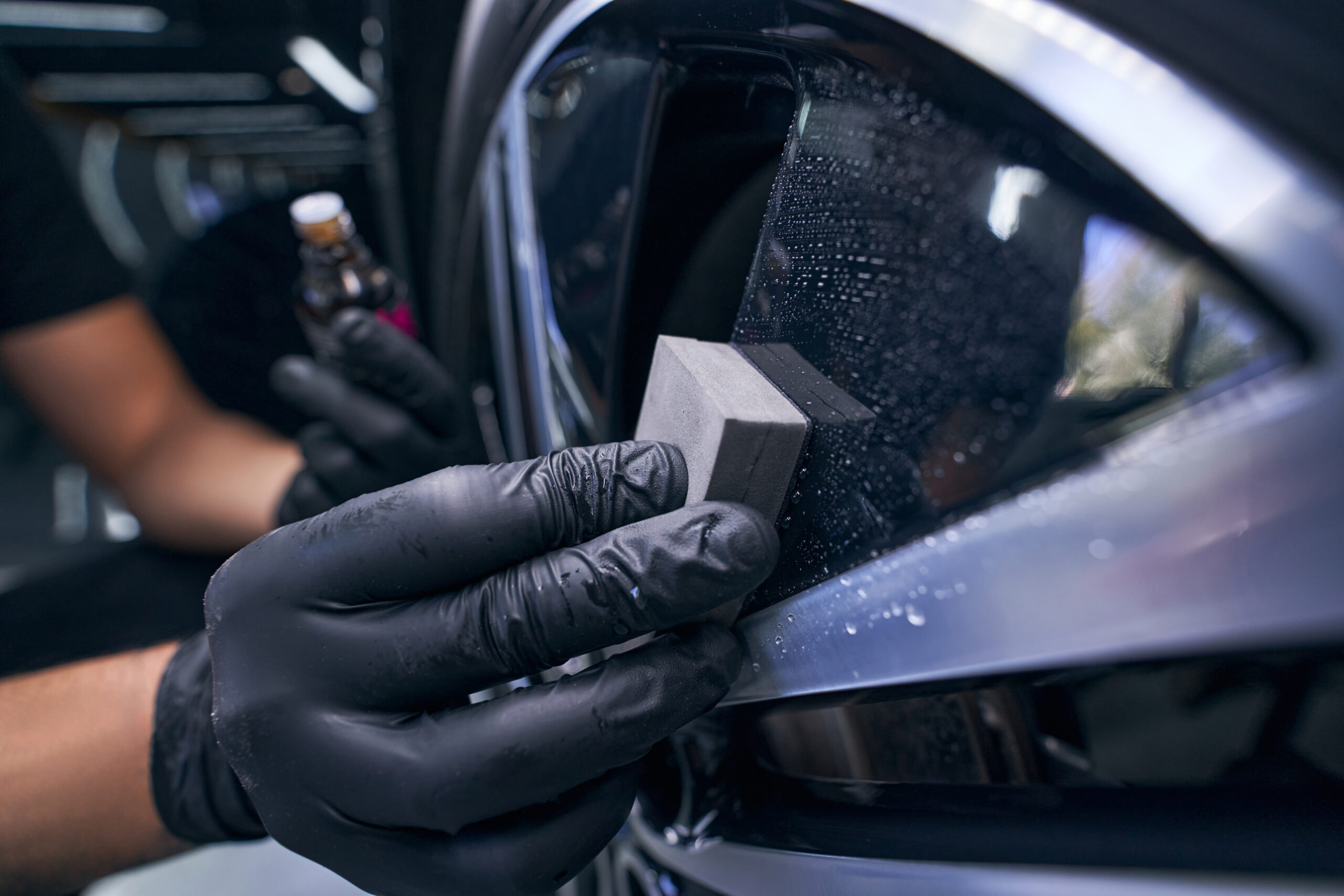
Proper installation requires a thorough wash, decontamination (clay bar + iron remover), at least single-stage paint correction, and a panel wipe to remove all polishing oils. Shops that skip this and just "wipe and apply" are charging premium prices for sub-premium results.
No. 06 — What It Costs in 2026
Pricing varies by coating quality, prep level, and vehicle size. DIY consumer-grade coatings run $50–$200 in product cost but require hours of correct prep. Entry-level professional applications start around $500–$800. Mid-tier professional coatings with proper paint correction typically run $1,000–$1,800.
Premium multi-layer coatings with multi-stage correction run $2,000–$3,500+. The price difference is mostly in prep time and product longevity, not magic ingredients. For a deeper Las Vegas-specific pricing breakdown, see our ceramic coating cost guide.
No. 07 — Maintenance: What You Need to Do
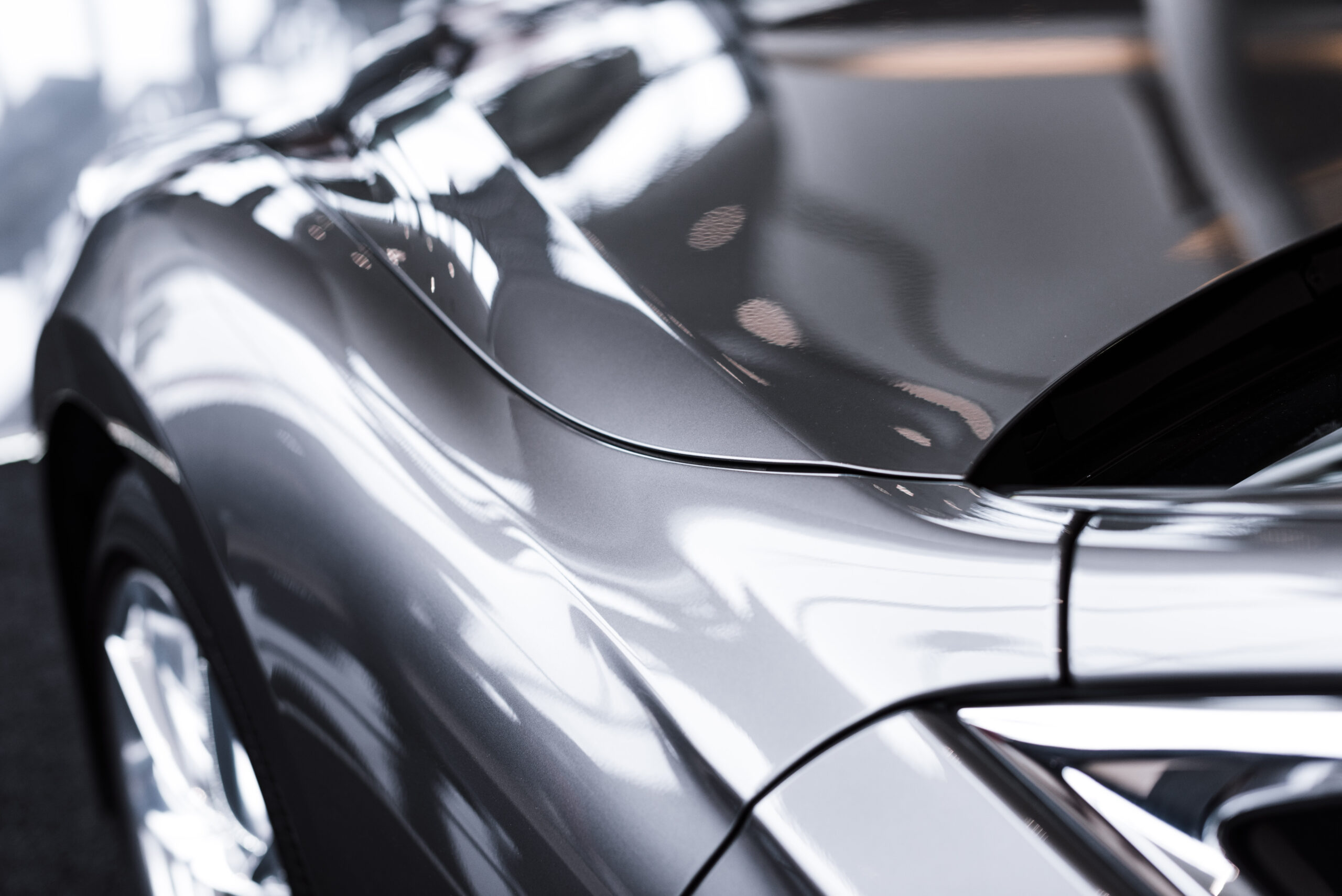
Ceramic coatings are not "set and forget." To get the advertised longevity, you need to wash properly with a pH-neutral, ceramic-safe shampoo (no degreasers, no automatic washes), avoid waxes and sealants that block the hydrophobic properties, apply a ceramic-boosting top-up spray every 3–6 months, and inspect for failure spots annually.
Done right, this maintenance is faster and easier than maintaining uncoated paint. Done wrong, you'll halve the coating's lifespan.
No. 08 — Is It Worth It in 2026?
For a daily driver you plan to keep 3+ years, in a harsh climate like Las Vegas: yes, almost always. The protection against UV, chemical etching, and water spots more than pays for itself in preserved resale value and reduced ongoing maintenance.
For a lease you'll return in 24 months, probably not — the math doesn't work. For a weekend or show car kept in a garage, the value is in the gloss and ease of cleaning, not the protection. Match the product to the use case and the answer is usually clear.
The Bottom Line
Ceramic coating in 2026 is more accessible, more durable, and more refined than it was even three years ago. The technology is mature. The product range covers every budget. The biggest variable is still installation quality — a $300 coating applied perfectly will outperform a $2,000 coating applied poorly.
If you're considering it, focus on finding an installer with serious paint correction skills, transparent process documentation, and a portfolio of multi-year aged work. Skip anyone who quotes a price without inspecting the car.
More From the Top Star Blog
Frequently Asked Questions
In Las Vegas heat and UV exposure, expect 2–3 years from mid-tier professional coatings and 4–5 years from premium multi-layer applications with proper maintenance. Las Vegas conditions push coatings toward the lower end of their rated lifespan because of the extreme UV and heat.
Consumer-grade ceramic coatings are DIY-friendly but provide less protection and shorter longevity than professional coatings. The hardest part is the prep work — paint correction, decontamination, and panel wipes. If you skip any of those, the coating won't bond properly.
SiO₂ (silicon dioxide) is the standard ceramic chemistry — durable, hydrophobic, widely available. SiC (silicon carbide) is harder and more abrasion-resistant but less common and more expensive. For most owners, a quality SiO₂ coating is the right choice.
Yes — many owners apply both. PPF handles impact protection (rock chips, scratches), and ceramic coating on top handles UV and chemical protection. The combination is the gold standard for high-value vehicles.
No. Ceramic coating is scratch-resistant, not scratch-proof. It dramatically reduces wash-induced swirl marks and minor scuffs, but deep scratches from keys, branches, or impact will still go through. For impact protection, use PPF.
Ideally, yes — and as soon as possible. New paint with no swirls or contamination is the perfect surface to coat. The minor paint correction usually needed on dealer-prep marks is much faster than correcting an aging vehicle.
Properly applied coatings don't peel — they wear gradually over years as the bonded layer thins. Failures usually trace back to poor surface prep (oil contamination, insufficient correction) or harsh chemicals stripping the coating prematurely. Professional installers stand behind their work; ask about warranty terms.
Ready to Protect Your Paint?
Get a free ceramic coating quote. We come to you anywhere in the Las Vegas Valley.
Get My Free Quote